Running a Shopify store is exciting, but as your business grows, managing operations manually becomes painful. Orders increase, inventory becomes harder to track, customer queries rise, and suddenly your team is spending more time updating spreadsheets than growing revenue.
This is where Odoo + Shopify integration becomes a real game-changer.
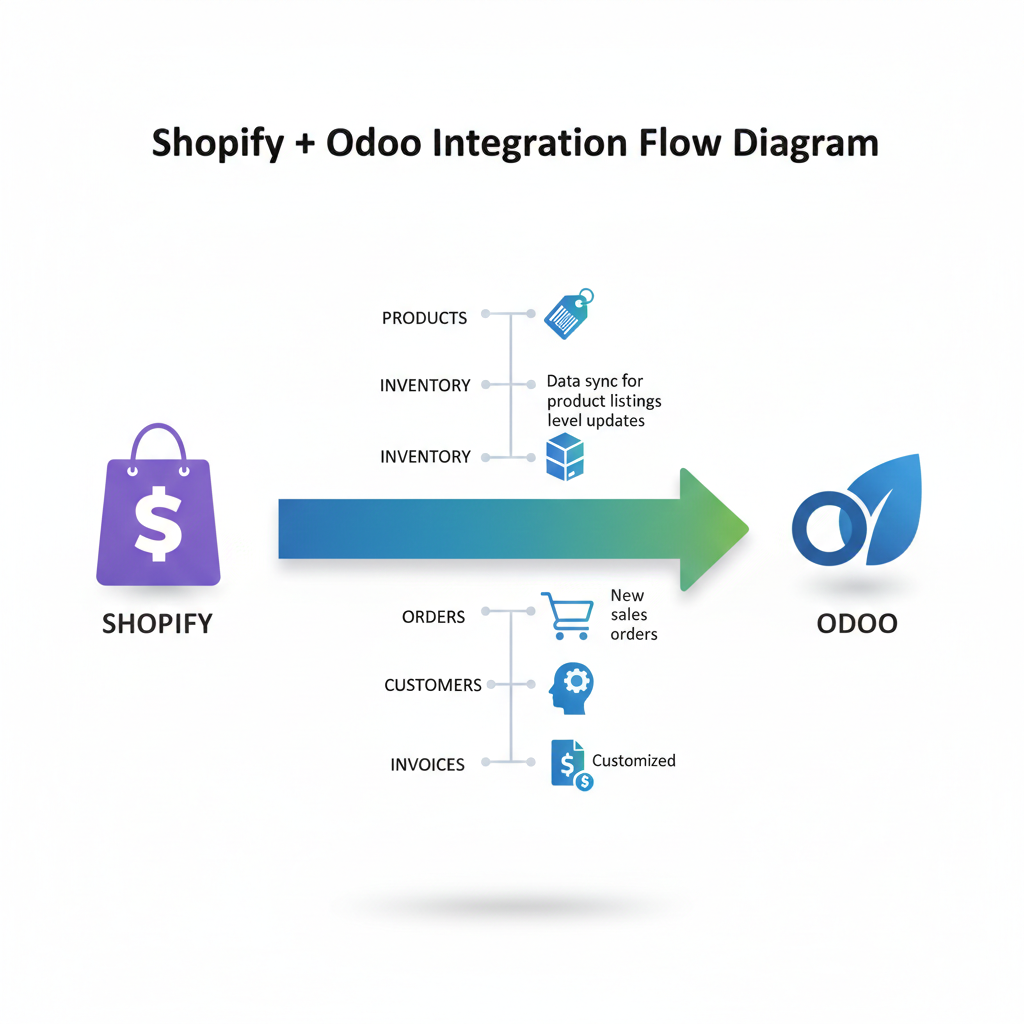
With the Odoo Shopify Connector, you can connect your Shopify store with Odoo ERP and automate crucial processes like order sync, inventory updates, product management, invoices, shipping, and customer data, all from one platform.
In this blog, we’ll cover exactly why switching to an Odoo Shopify Connector is one of the smartest upgrades you can make for your Shopify business and how ERPConsulting24 can help you implement it smoothly.
What is an Odoo Shopify Connector?
An Odoo Shopify Connector is an integration tool that links your Shopify store with the Odoo ERP system. It creates a seamless flow of data between both platforms, so you don’t have to manage everything separately.
Instead of:
- Downloading orders from Shopify
- Updating inventory manually
- Creating invoices separately
- Tracking delivery outside your system
You can manage everything in Odoo in real time.
Think of it like:
Shopify = storefront and checkout
Odoo = brain for operations (inventory, accounting, CRM, purchase, warehouse, fulfillment)
The Real Problem with Shopify Alone (When You Scale)
Shopify is excellent for selling online, but it is not designed to handle complete ERP operations.
As soon as you scale, common problems appear:
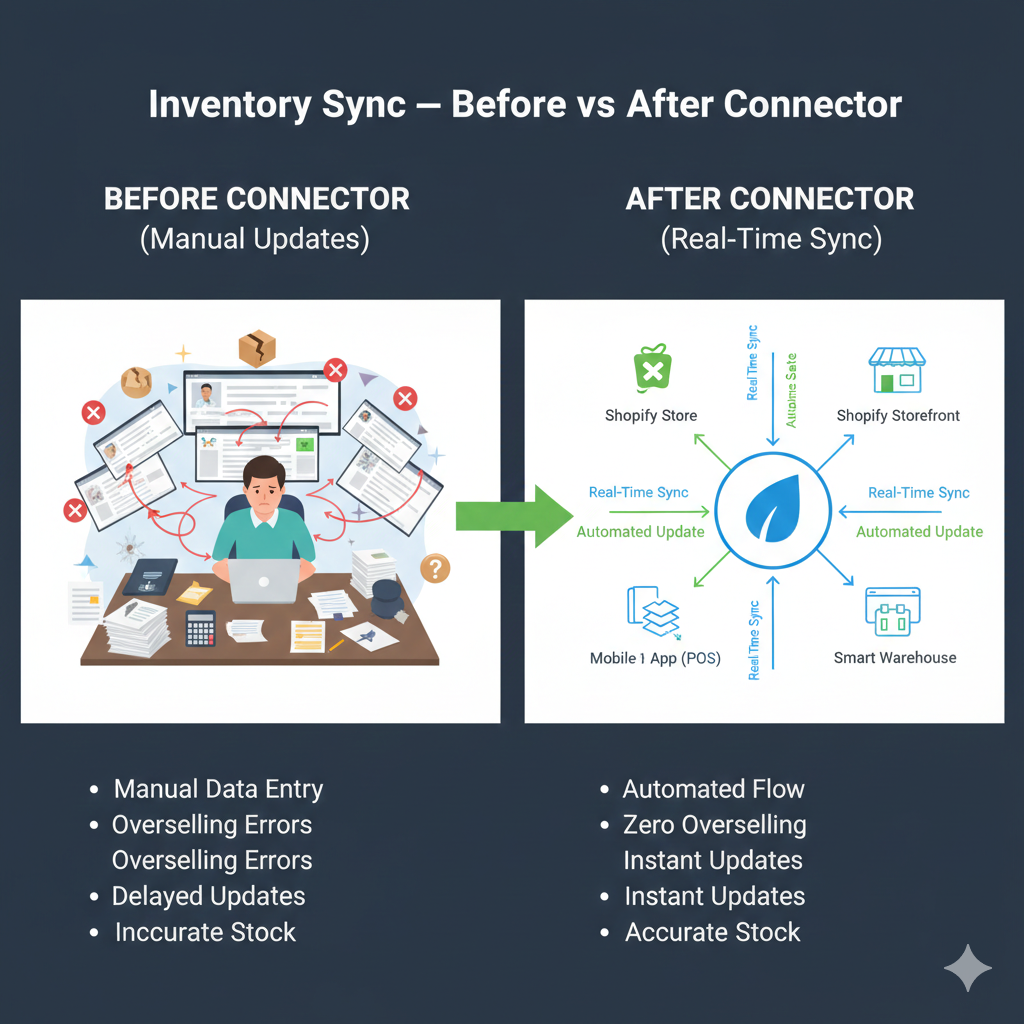
1) Inventory mismatch and overselling
If you sell across multiple channels (Shopify + marketplaces + offline), inventory gets out of sync quickly.
2) Manual order processing delays
Manually creating invoices, updating fulfillment status, and confirming shipments slows down your dispatch.
3) No centralized backend
Sales, purchase, accounting, inventory, and customer management are spread across multiple apps.
4) Limited reporting clarity
Shopify reports are useful but not enough for:
- Profitability reporting
- Warehouse performance
- Procurement planning
- Stock forecasting
This is why businesses look for Odoo implementation services to centralize operations under one platform.
Why Switching to Odoo Shopify Connector is a Game-Changer
1) Real-Time Inventory Synchronization
Inventory accuracy is one of the biggest benefits.
With Odoo Shopify Connector:
- Stock updated in Odoo automatically reflects in Shopify
- When a product sells on Shopify, Odoo reduces inventory instantly
- Prevents overselling and improves customer trust
This is especially powerful for businesses selling:
- High SKU products
- Fast-moving products
- Seasonal stock
- Multi-warehouse inventory
Result: Fewer cancellations, better order fulfillment rate.
2) Automatic Order & Customer Sync
Without integration, your team spends hours daily copying data from Shopify to ERP/accounting tools.
With Odoo Shopify Connector:
- Orders automatically sync to Odoo
- Customer details auto-create/update
- Order statuses get tracked in one place
- Order processing becomes faster
Result: Shorter delivery timelines and smoother operations.
3) Faster Invoicing & Accounting
Shopify is not an accounting tool. Many store owners either:
- Manually create invoices
- Use additional apps
- Don’t track financials accurately
With Odoo:
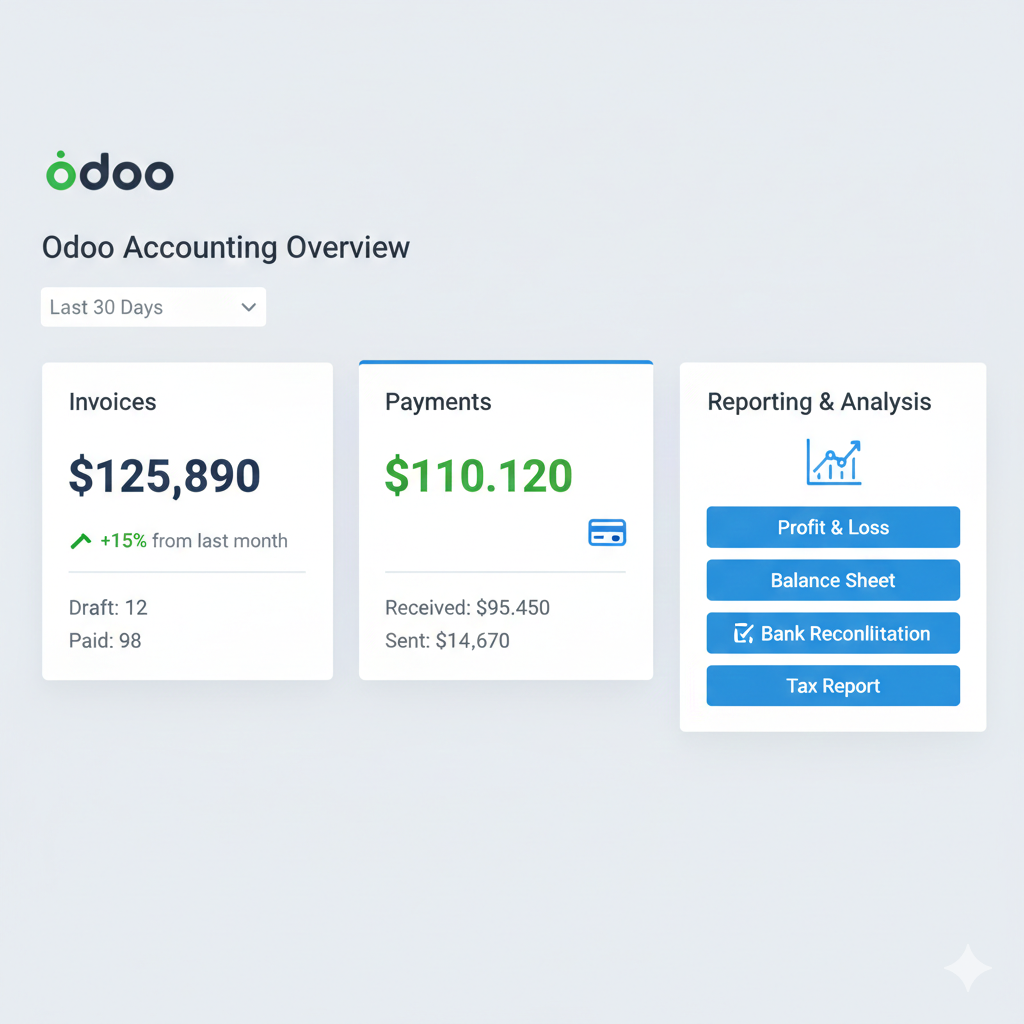
- Invoices are created automatically
- Taxes can be applied as per the region
- Payment reconciliation becomes easy
- Profit/loss reports are accurate
If you plan for future growth, this is why Odoo integration services become important.
4) Smarter Product Management (Single Source of Truth)
Managing products separately on Shopify and ERP becomes a nightmare when you have:
- Multiple variants
- Bundles
- Pricing rules
- Frequent stock changes
With Odoo Shopify Connector:
- You can manage products in Odoo and publish to Shopify
- Sync product names, descriptions, categories
- Update prices and variants centrally
Result: Cleaner catalog management + fewer listing errors.
5) Better Fulfillment with Warehouse Automation
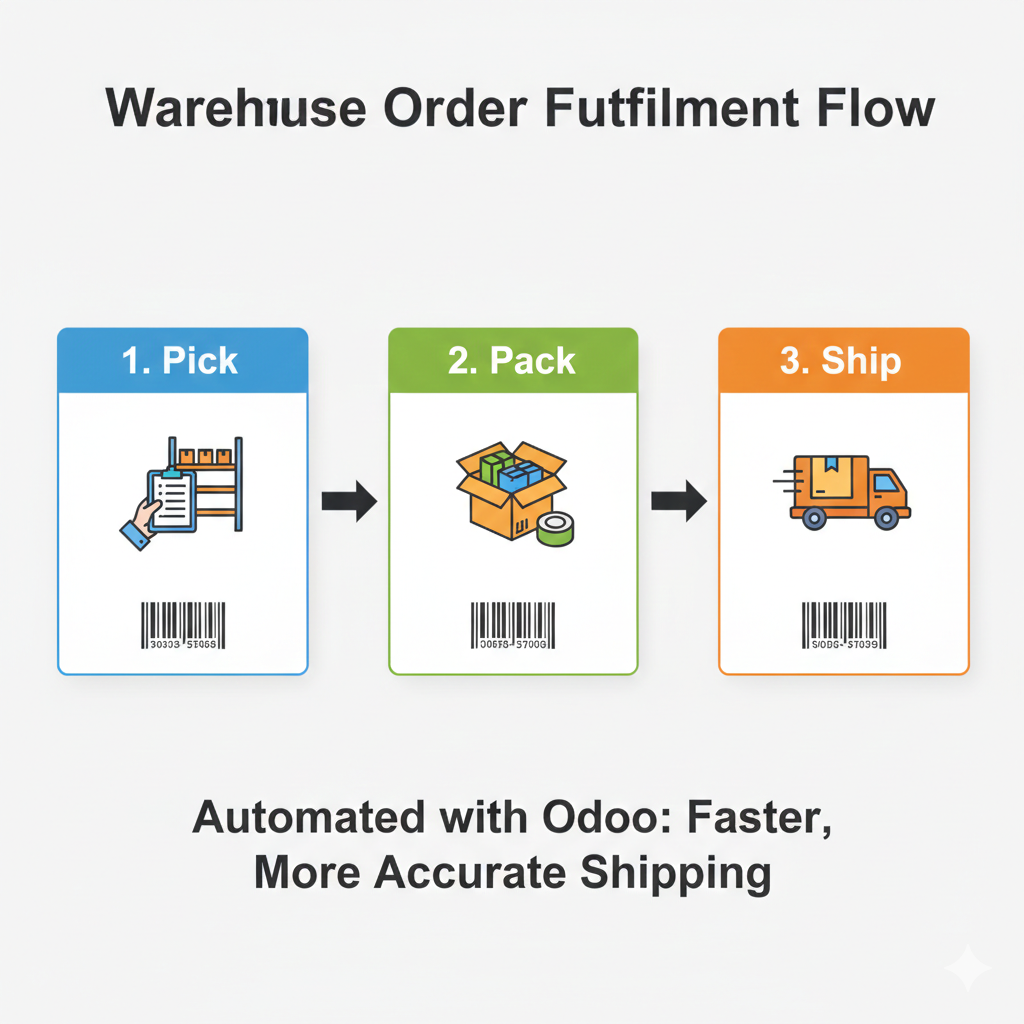
If you use Odoo Inventory and Warehouse modules, you unlock:
- Pick-pack-ship workflows
- Barcode scanning
- Delivery order automation
- Return management (reverse logistics)
So Shopify becomes your storefront, but Odoo becomes your fulfillment engine.
Result: Faster dispatch + fewer packing errors.
6) Multi-Channel Expansion Made Easy
Today, you sell on Shopify. Tomorrow you may sell on:
- Amazon
- Flipkart
- Offline store
- B2B portal
- Wholesale
Odoo supports multiple channels, and the connector approach makes expansion smoother.
Result: You scale without rebuilding your backend every time.
7) Better Reporting, Forecasting & Decision Making
Odoo gives deeper business insights, such as:
- Best-selling products and low performers
- Customer lifetime value
- Stock aging reports
- Vendor purchase planning
- Profit margins per product
Shopify reporting is good, but Odoo gives end-to-end operational clarity.
Result: Better decisions and improved profitability.
Who Should Switch to Odoo Shopify Connector?
If any of these apply, you should integrate immediately:
- Your store has 50+ orders/day
- You manage 100+ SKUs
- You have multi-warehouse stock
- You face overselling or an inventory mismatch
- You’re using spreadsheets for tracking
- You want automated invoicing/accounting
- You plan to expand to marketplaces
Odoo Migration + Shopify Connector: A Powerful Combination
Many businesses already use another ERP/accounting software and want to shift.
That’s where Odoo migration becomes important.
ERPConsulting24 can help you migrate:
- Products & categories
- Customer data
- Inventory data
- Sales history (if required)
- Vendor & purchase data
- Accounting setup
Then, integrate Shopify to make it fully automated.
Result: Smooth transition without losing business continuity.
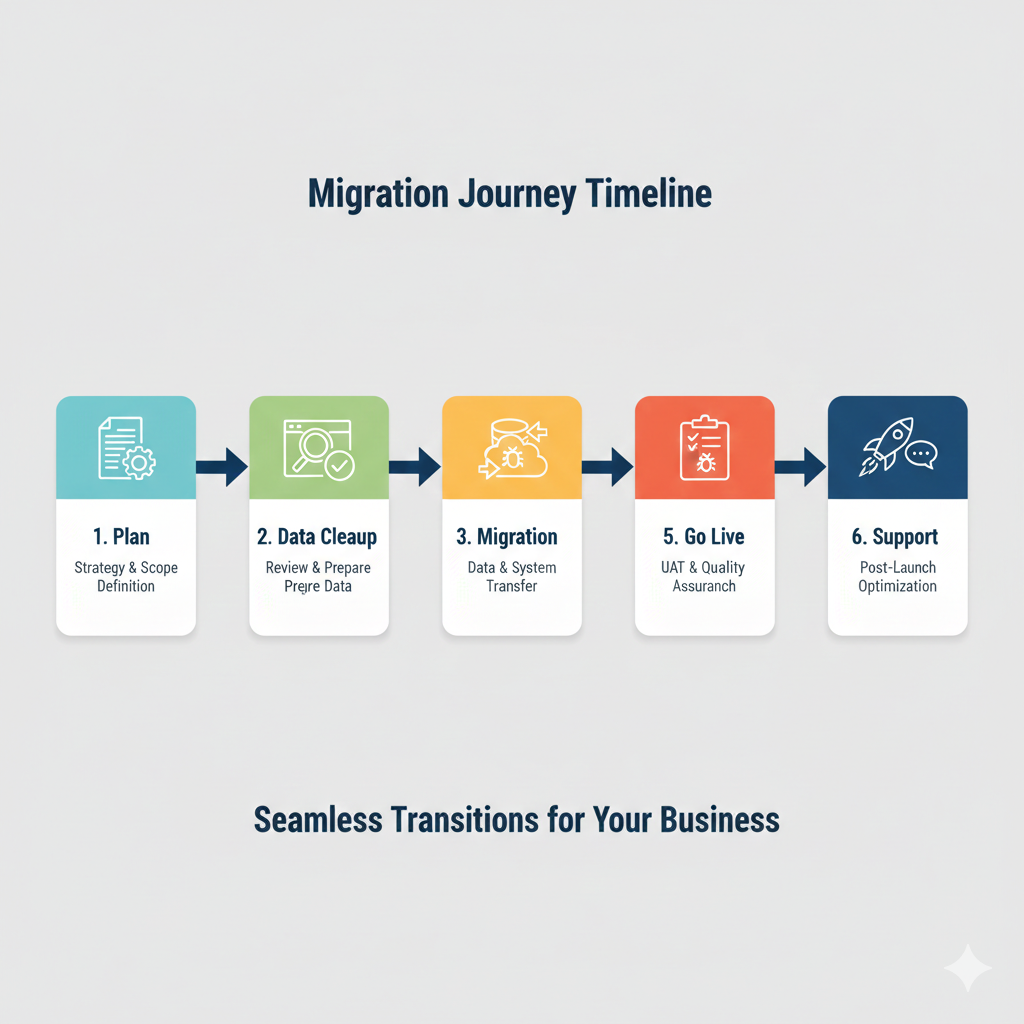
Best Practices for a Successful Odoo + Shopify Implementation
To get the best results, integration must be done properly.
Here are the key best practices:
1) Clean product SKUs & naming
Ensure SKU mapping is accurate between Shopify and Odoo.
2) Decide sync rules clearly
For example:
- Where product creation happens (Shopify or Odoo)
- How pricing should sync
- How inventory should sync
3) Test workflows before go-live
Order → invoice → shipping → delivery → returns
4) Set up automation carefully
Avoid over-automation without validation.
This is why businesses prefer professional Odoo implementation services rather than plug-and-play connectors that break frequently.
How ERPConsulting24 Helps (Odoo Integration Services)
At ERPConsulting24, we don’t just install a connector.
- We deliver an end-to-end integration and implementation strategy:
- Shopify–Odoo connector setup
- Odoo ERP configuration (Inventory, Sales, Purchase, Accounting, CRM)
- Odoo migration support
- Inventory & order sync testing
- Workflow automation and reporting dashboards
- Post go-live support & optimization
We ensure your store runs faster, smoother, and more profitably with Odoo as the backend.
Conclusion
Switching to an Odoo Shopify Connector isn’t just a tech upgrade, it’s an operational transformation.
With integration in place, you gain:
- Real-time inventory
- Faster order processing
- Automated invoicing
- Warehouse efficiency
- Centralized reporting
- Scalable backend for multi-channel growth
If your Shopify store is growing and operations are becoming difficult, this is the right time to implement Odoo.

 Recent Posts


 Free Consultation